Questo contenuto non è disponibile nella lingua selezionata.
17.3. Network Address Translation
By default, virtual network switches operate in NAT mode. They use IP masquerading rather than Source-NAT (SNAT) or Destination-NAT (DNAT). IP masquerading enables connected guests to use the host physical machine IP address for communication to any external network. By default, computers that are placed externally to the host physical machine cannot communicate to the guests inside when the virtual network switch is operating in NAT mode, as shown in the following diagram:
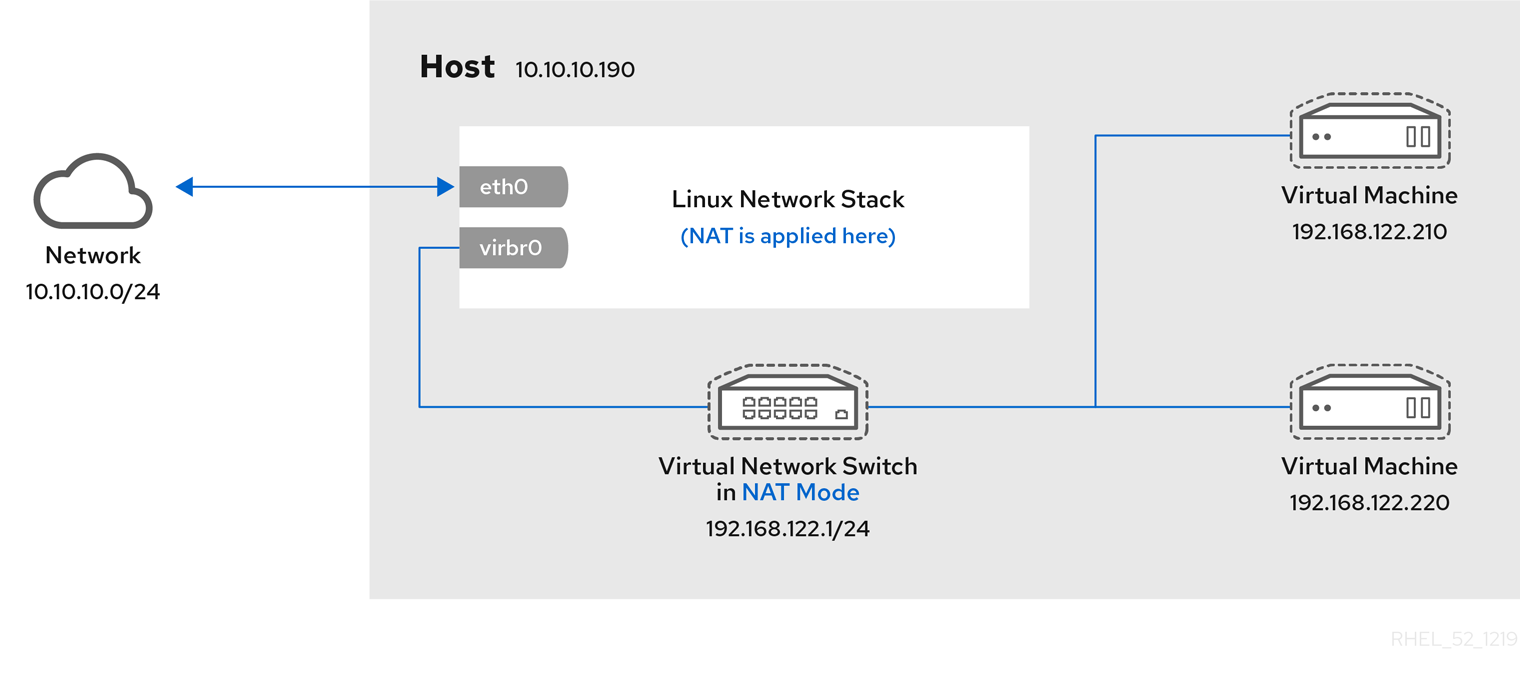
Figure 17.3. Virtual network switch using NAT with two guests
Warning
Virtual network switches use NAT configured by iptables rules. Editing these rules while the switch is running is not recommended, as incorrect rules may result in the switch being unable to communicate.
If the switch is not running, you can set the public IP range for forward mode NAT in order to create a port masquerading range by running:
# iptables -j SNAT --to-source [start]-[end]
