 Red Hat Summit
이 콘텐츠는 선택한 언어로 제공되지 않습니다.
Chapter 2. Accessing Red Hat Gluster Storage using Amazon Web Services
Red Hat Gluster Storage for Public Cloud packages glusterFS as an Amazon Machine Image (AMI) for deploying scalable network attached storage (NAS) in the Amazon Web Services (AWS) public cloud. This powerful storage server provides a highly available, scalable, virtualized, and centrally managed pool of storage for Amazon users. Red Hat Gluster Storage for Public Cloud provides highly available storage within AWS. Synchronous n-way replication across AWS Availability Zones provides high availability within an AWS Region. Asynchronous geo-replication provides continuous data replication to ensure high availability across AWS regions. The glusterFS global namespace capability aggregates disk and memory resources into a unified storage volume that is abstracted from the physical hardware.
The following diagram illustrates Amazon Web Services integration with Red Hat Gluster Storage:
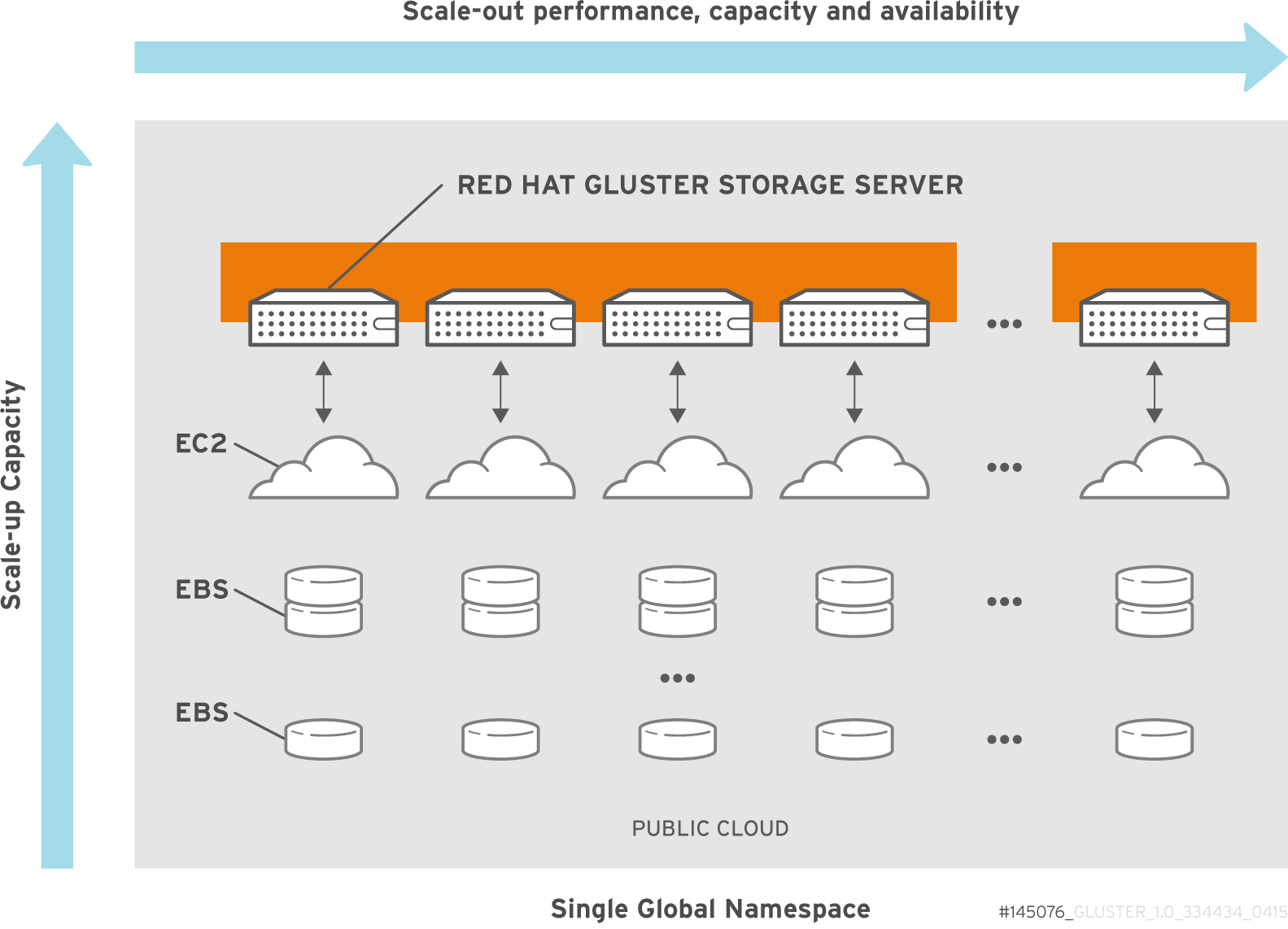
Figure 2.1. Amazon Web Services integration Architecture
Important
The following features of Red Hat Gluster Storage Server is not supported on Amazon Web Services:
- Red Hat Gluster Storage Console and Nagios Monitoring
- NFS and CIFS High Availability
Note
For information on obtaining access to AMI, see https://access.redhat.com/knowledge/articles/145693.
2.1. Launching Red Hat Gluster Storage Instances
링크 복사링크가 클립보드에 복사되었습니다!
This section describes how to launch Red Hat Gluster Storage instances on Amazon Web Services.
The supported configuration for two-way and three-way replication is up to 24 Amazon EBS volumes of equal size.
| EBS Volume Type | Minimum Number of Volumes per Instance | Maximum Number of Volumes per Instance | EBS Volume Capacity Range | Brick Range |
|---|---|---|---|---|
| Magnetic | 1 | 24 | 1 GiB - 1 TiB | 1 GiB - 24 TiB |
| General purpose SSD | 1 | 24 | 1 GiB - 16 TiB | 1GiB - 384 TiB |
| PIOPS SSD | 1 | 24 | 4 GiB - 16 TiB | 128 GiB - 384 TiB |
- There is a limit on the total provisioned IOPS per volume and the limit is 40,000. Hence, while adding 24 PIOPS SSD disks, you must ensure that the total IOPS of all disks does not exceed 40,000.
- Creation of Red Hat Gluster Storage volume snapshot is supported on magnetic, general purpose SSD and PIOPS EBS volumes. You can also browse the snapshot content using USS. See chapter Managing Snapshots in the Red Hat Gluster Storage 3.1 Administration Guide for information on managing Red Hat Gluster Storage volume snapshots.
- Tiering feature of Red Hat Gluster Storage is supported in the Amazon Web Service environment. You can attach bricks created out of PIOPS or general purpose SSD volumes as hot tier to an existing or new Red Hat Gluster Storage volume created out of magnetic EBS volumes. See chapter Managing Tiering in the Red Hat Gluster Storage 3.1 Administration Guide for information on creation of tiered volumes.
To launch the Red Hat Gluster Storage Instance
- Navigate to the Amazon Web Services home page at http://aws.amazon.com. The Amazon Web Services home page appears.
- Login to Amazon Web Services. The Amazon Web Services main screen is displayed.
- Click the Amazon EC2 tab. The Amazon EC2 Console Dashboard is displayed.

- Click Launch Instance.The Step 1: Choose an AMI screen is displayed.

- Click My AMIs and select shared with me checkbox. Click Select for the corresponding AMI and click Next: Choose an Instance Type. The Step 2: Choose an Instance Type screen is displayed.

- Select Large as the instance type, and click Next: Configure Instance Details . The Step 3: Configure Instance Details screen displays.

- Specify the configuration for your instance or continue with the default settings, and click Next: Add Storage The Step 4: Add Storage screen displays.

- In the Add Storage screen, specify the storage details and click Next: Tag Instance. The Step 5: Tag Instance screen is displayed.

- Enter a name for the instance in the Value field for Name, and click Next: Configure Security Group. You can use this name later to verify that the instance is operating correctly. The Step 6: Configure Security Group screen is displayed.

- Select an existing security group or create a new security group and click Review and Launch.You must ensure to open the following TCP port numbers in the selected security group:
- 22
- 6000, 6001, 6002, 443, and 8080 ports if Red Hat Gluster Storage for OpenStack Swift is enabled
- Choose an existing key pair or create a new key pair, and click Launch Instance.

The Launch Status screen is displayed indicating that the instance is launching.


'%20d='M201.5%20305.5c-13.8%200-24.9-11.1-24.9-24.6%200-13.8%2011.1-24.9%2024.9-24.9%2013.6%200%2024.6%2011.1%2024.6%2024.9%200%2013.6-11.1%2024.6-24.6%2024.6zM504%20256c0%20137-111%20248-248%20248S8%20393%208%20256%20119%208%20256%208s248%20111%20248%20248zm-132.3-41.2c-9.4%200-17.7%203.9-23.8%2010-22.4-15.5-52.6-25.5-86.1-26.6l17.4-78.3%2055.4%2012.5c0%2013.6%2011.1%2024.6%2024.6%2024.6%2013.8%200%2024.9-11.3%2024.9-24.9s-11.1-24.9-24.9-24.9c-9.7%200-18%205.8-22.1%2013.8l-61.2-13.6c-3-.8-6.1%201.4-6.9%204.4l-19.1%2086.4c-33.2%201.4-63.1%2011.3-85.5%2026.8-6.1-6.4-14.7-10.2-24.1-10.2-34.9%200-46.3%2046.9-14.4%2062.8-1.1%205-1.7%2010.2-1.7%2015.5%200%2052.6%2059.2%2095.2%20132%2095.2%2073.1%200%20132.3-42.6%20132.3-95.2%200-5.3-.6-10.8-1.9-15.8%2031.3-16%2019.8-62.5-14.9-62.5zM302.8%20331c-18.2%2018.2-76.1%2017.9-93.6%200-2.2-2.2-6.1-2.2-8.3%200-2.5%202.5-2.5%206.4%200%208.6%2022.8%2022.8%2087.3%2022.8%20110.2%200%202.5-2.2%202.5-6.1%200-8.6-2.2-2.2-6.1-2.2-8.3%200zm7.7-75c-13.6%200-24.6%2011.1-24.6%2024.9%200%2013.6%2011.1%2024.6%2024.6%2024.6%2013.8%200%2024.9-11.1%2024.9-24.6%200-13.8-11-24.9-24.9-24.9z'/%3e%3c/svg%3e)